

A decisive year for Sweden’s infrastructure agenda
Right now, there is momentum in infrastructure investments in Sweden.
In the lead-up to the 2026 general election, the government has presented a budget that includes record-high investments in infrastructure. Also, new models for financing and organising infrastructure projects are at core of policy discussions. Johan Medin, Director and Country Manager Sweden, shares his perspectives on what the recent developments mean for investors looking to Sweden.
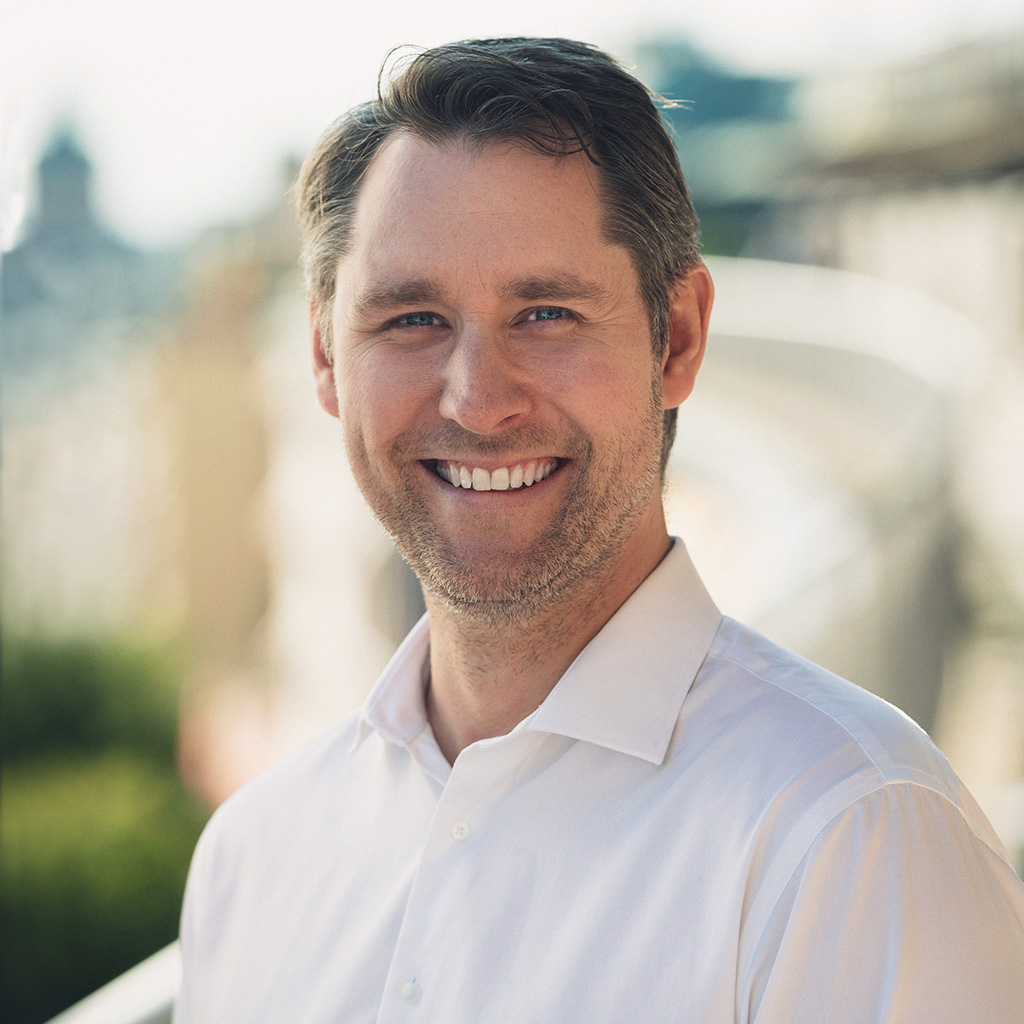
Johan Medin, Director, Country Manager Sweden
Why is this a good time to invest in Swedish infrastructure?
Swedish infrastructure combines stability with strong long-term opportunity. Few markets can match Sweden’s low public debt, solid governance and reliable legal framework. At the same time, the country faces substantial investment needs due to a significant maintenance backlog and rapidly evolving societal demands. As Sweden modernises and expands its infrastructure, the policy debate is centred on new ways of organising and financing projects. Several key developments are converging: a draft National Plan for Transport Infrastructure, record-high proposed investment levels in infrastructure, and an ongoing governmental inquiry into innovative financing and organising models. For investors looking for long-term, resilient and meaningful opportunities, Sweden stands out as an attractive place to be right now.
What will be crucial as Sweden moves to implement new investment models?
Public–private collaboration will be key to successful delivery. Co-ownership models offer a powerful way forward because they combine public responsibility with private-sector knowledge, risk-sharing and long-term commitment. They allow society to tap into expertise, capital and active ownership in a structured and transparent way. Creating a national center for Public Private Partnerships and co-ownership would be a major step forward in bringing together experience, strengthening public capability and allowing Sweden to draw on international best practice through organisations like EPEC, which we have recently joined.
How can Sweden make sure it attracts investors and private capital to new projects?
It begins with choosing the right projects and setting the right conditions from the start. Investors look for a long-term commitment. Competitive tendering must be safeguarded, and even though processes can be complex, Sweden needs to ensure that the long-term potential is clear for investors looking to contribute long-term value. Procurement models built on co-ownership provide a solid foundation for successful collaboration, and turnkey approaches can help streamline delivery and create confidence for all involved actors.
How can policymakers ensure the stability and predictability that investors need?
Building political consensus across party lines is essential to establish long-term rules of the game. Without this, investor interest will be limited. Importantly, policymakers must think beyond a single term in office. Infrastructure is built for generations, and Sweden has historically managed this long-term perspective well. It is vital that this tradition continues. Being more specific, there is a need to review the regulatory framework for water and wastewater infrastructure, which is currently closed to private investment, and consider opening it, as made with electricity networks.
The 2026 general election will inevitably influence infrastructure policy. What should policymakers focus on from day one?
The Swedish government will have a strong opportunity to break the cycle of accumulating maintenance debt. Investing in infrastructure is not just about roads, rails or grids, it is deeply connected to climate transition, preparedness, and Sweden’s overall competitiveness. It creates ripple effects that strengthen society. To succeed, policymakers must stay closely engaged in strong collaboration with private partners. Co-ownership projects demand shared commitment over time, and the public sector must remain engaged.
Want to know more about the Nordic and Swedish investment opportunities or how we work in long-term partnership with public sector across the Nordics? Reach out to Johan at johan.medin@infranode.se
